Paris is a city that cannot be covered in one trip, but even during six days, you can immerse yourself in its rhythm, history, and mood. Our trip was quite intense: we walked a lot, combined iconic monuments with leisurely walks and allowed ourselves to simply get lost in the streets. Below is the route and the places we managed to visit, with brief explanations of why each of them is worth paying attention to.
Sainte-Geneviève Library – an Unexpected Gem of Paris
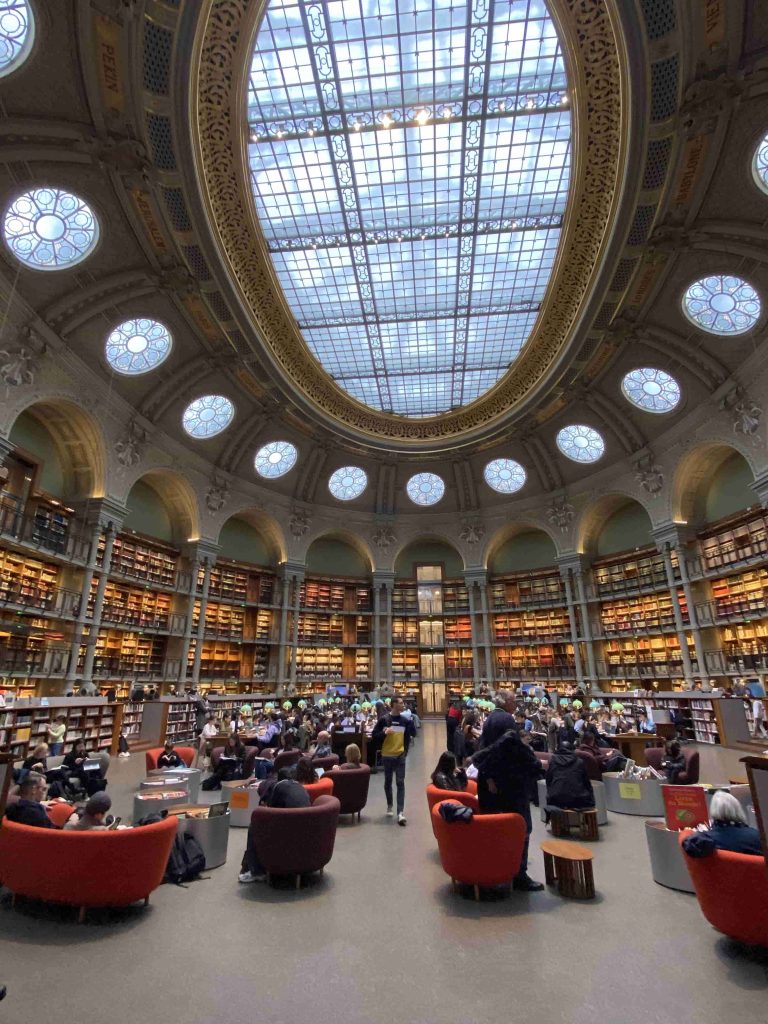
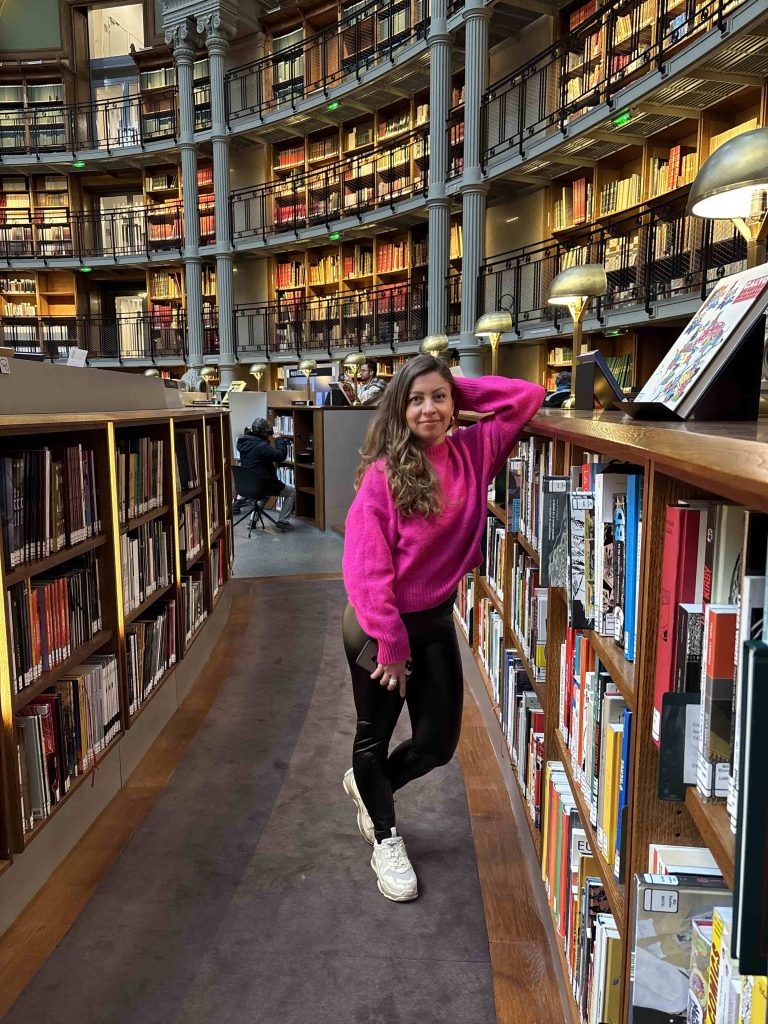
Bibliothèque Sainte-Geneviève – an unexpected gem of Paris This is one of those places that not all tourists know about, but which can make a strong impression. Bibliothèque Sainte-Geneviève is a large free library in the Latin Quarter with a luxurious ceiling, arched windows and the atmosphere of old intellectual Paris.
Even if you don’t plan to work or read, it’s worth stopping by for at least a few minutes – like a museum, where silence and a sense of timelessness reign.
This library is often confused with a tourist attraction, but it is still an active space for students.
Notre-Dame de Paris
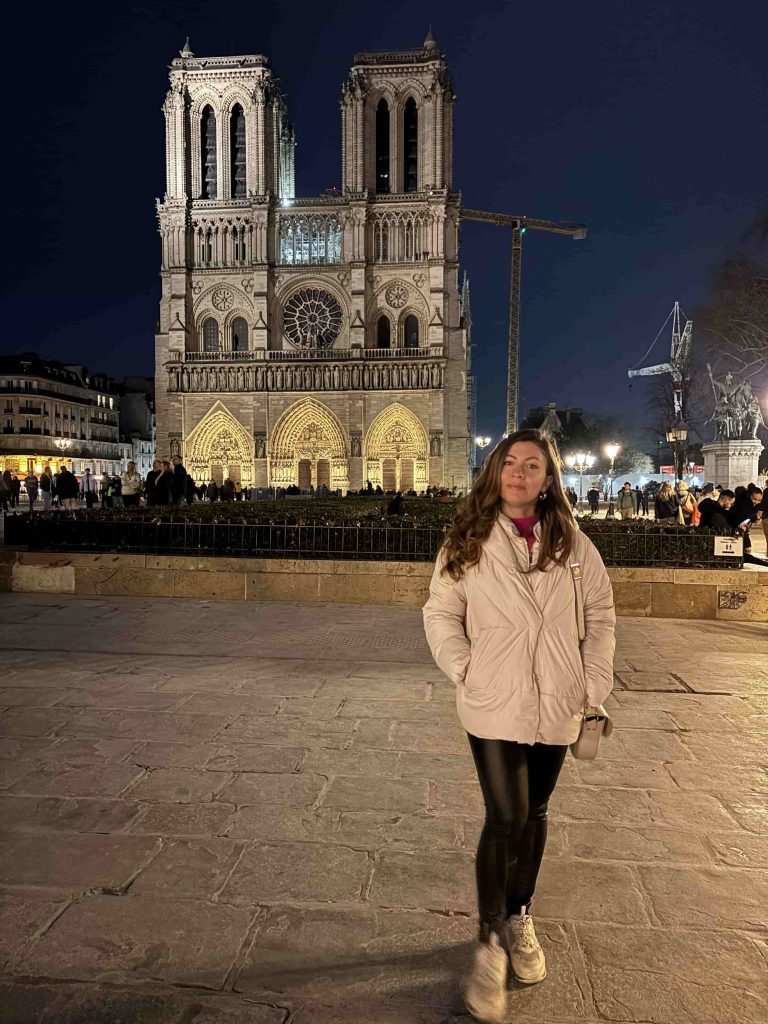
Even after the fire, Notre Dame remains one of the city’s main symbols. We saw it from the outside, walked around the Ile de la Cité and felt the scale of this monument. This place is about the history of Paris, the Gothic, literature, and the collective memory of the city.
Even without a full visit inside, the cathedral makes a strong emotional impression.
Few people know that the Ile de la Cité is the geographical center of Paris, and it is here that the city began. Walking around the cathedral is a great way to see it from different angles and avoid the biggest crowds. The atmosphere here is great both in the morning and in the evening.
Montmartre and the Sacré-Coeur Basilica
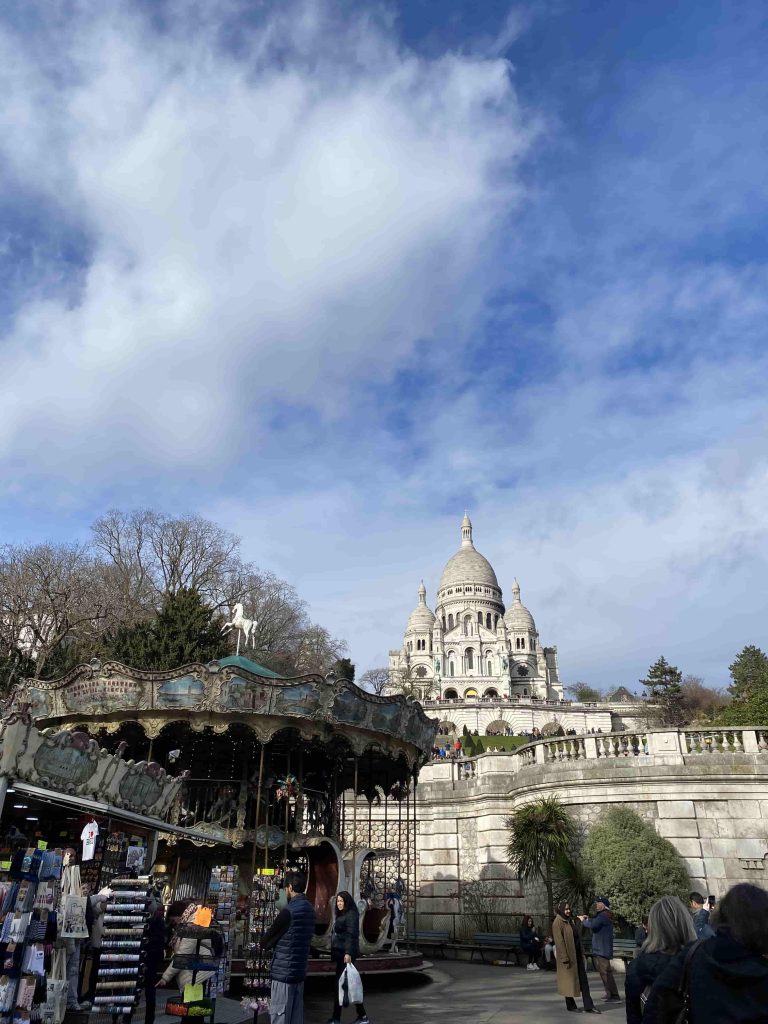
Montmartre is a completely different Paris. Cobblestone streets, stairs, artists, small cafes, and the feeling of a village within a metropolis.
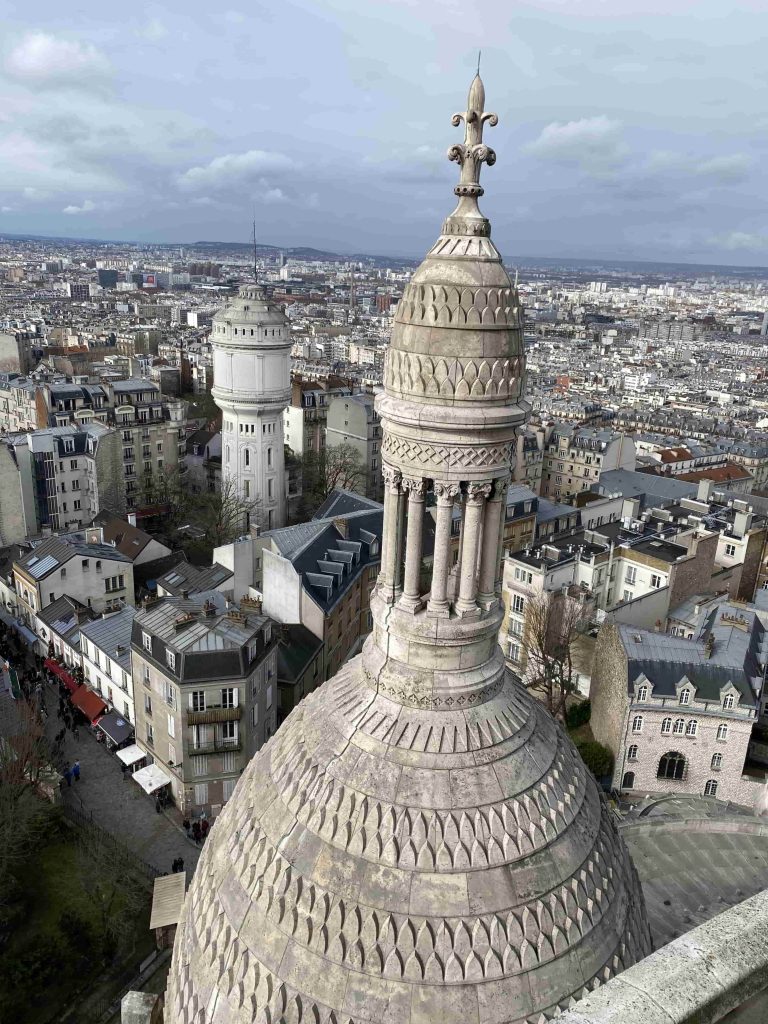
The Sacré-Cœur Basilica towers over the city and offers one of the best views of Paris. Even if you don’t go inside, the climb up the hill is worth it. The Sacré-Cœur is always open for free.
You can also climb the dome by stairs, this option costs 8 euros, but it’s worth it, because it is from here that a wonderful view opens and you can see the elements of the basilica, including. I recommend it, we did not regret this decision. The entrance to the dome is on the left side of the central entrance. This option is not immediately noticeable there; just try to go around the basilica on the left side. In general, this is an ideal place for a leisurely walk.
Walks Along the Seine Embankment
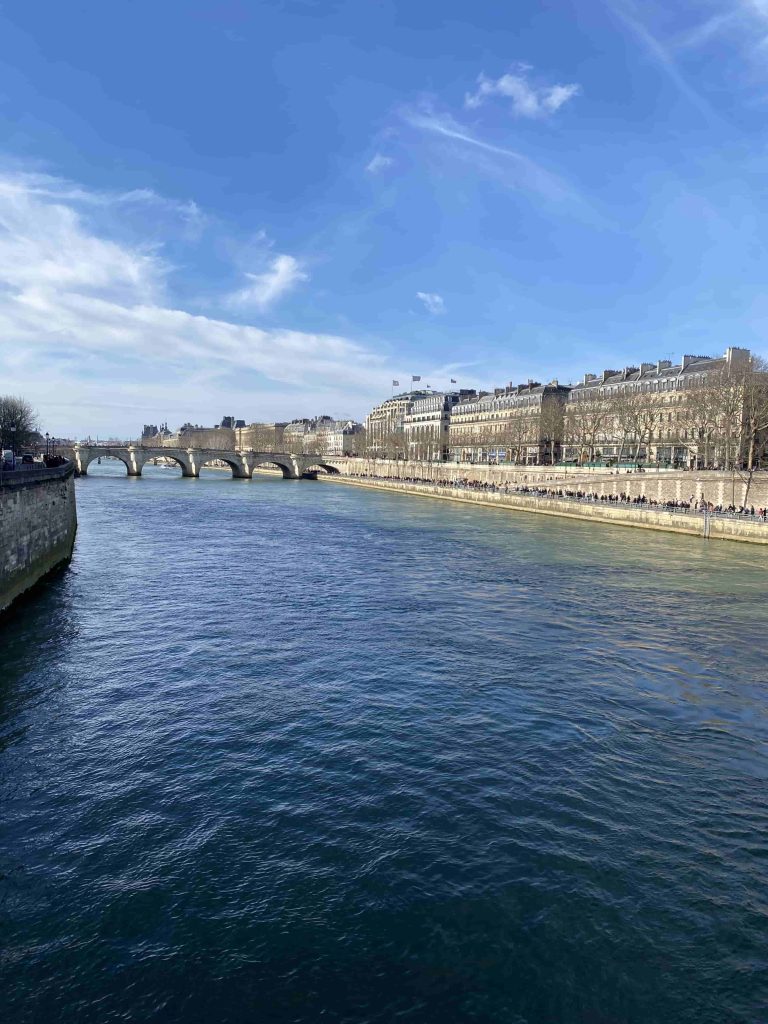
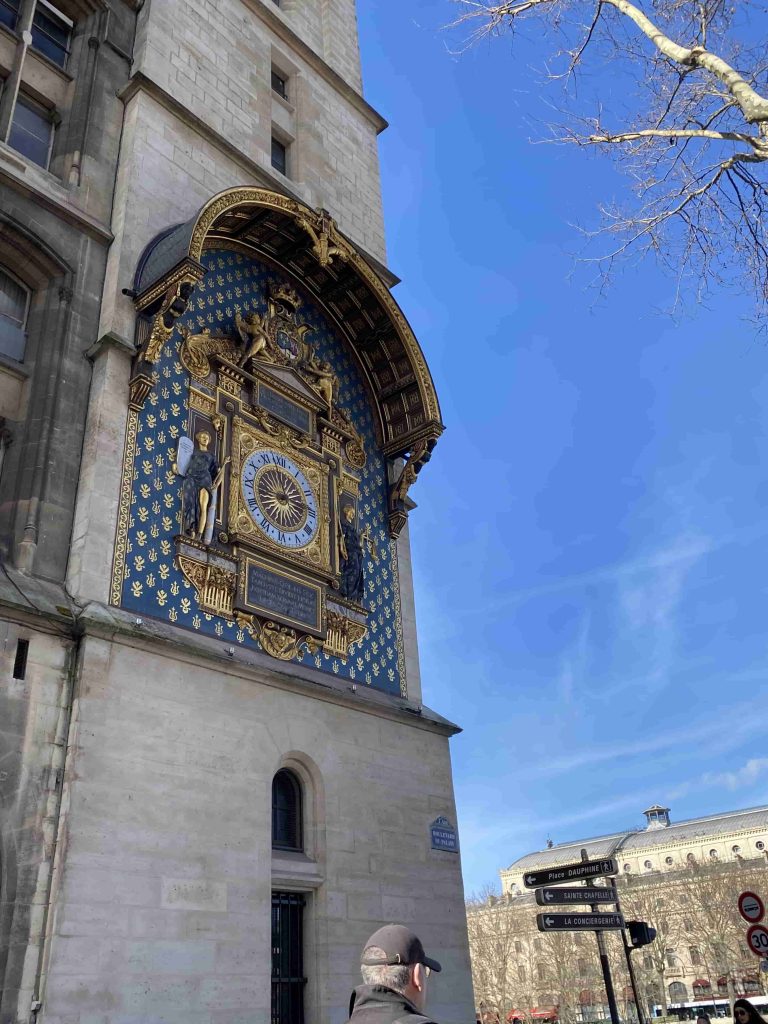
The Seine embankment is Paris at its most romantic way. We walked along the river, watching the boats, bridges, second-hand booksellers, and city life.
This is the format of a walk that doesn’t require a plan: just go ahead and let Paris reveal itself gradually.
Eiffel Tower
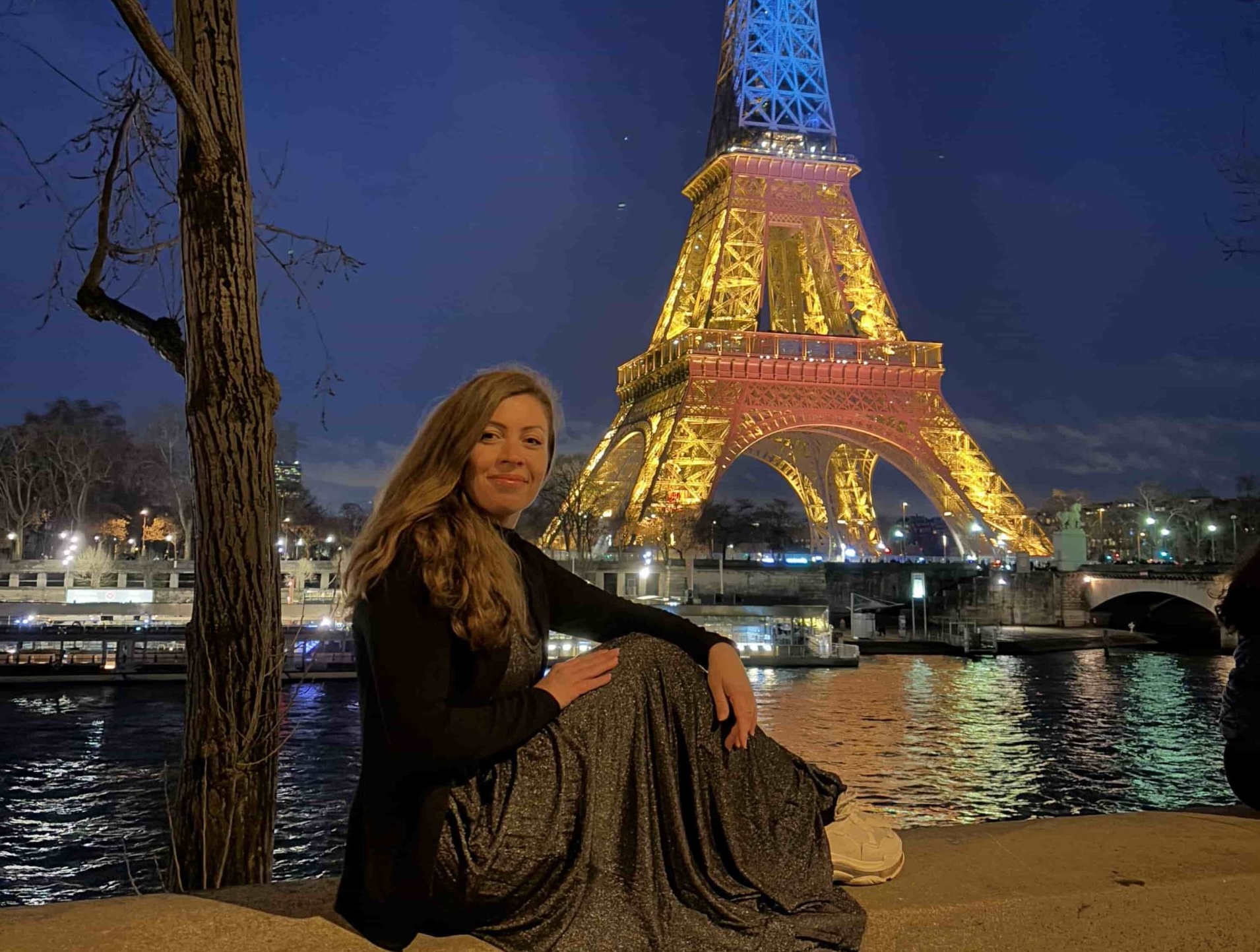
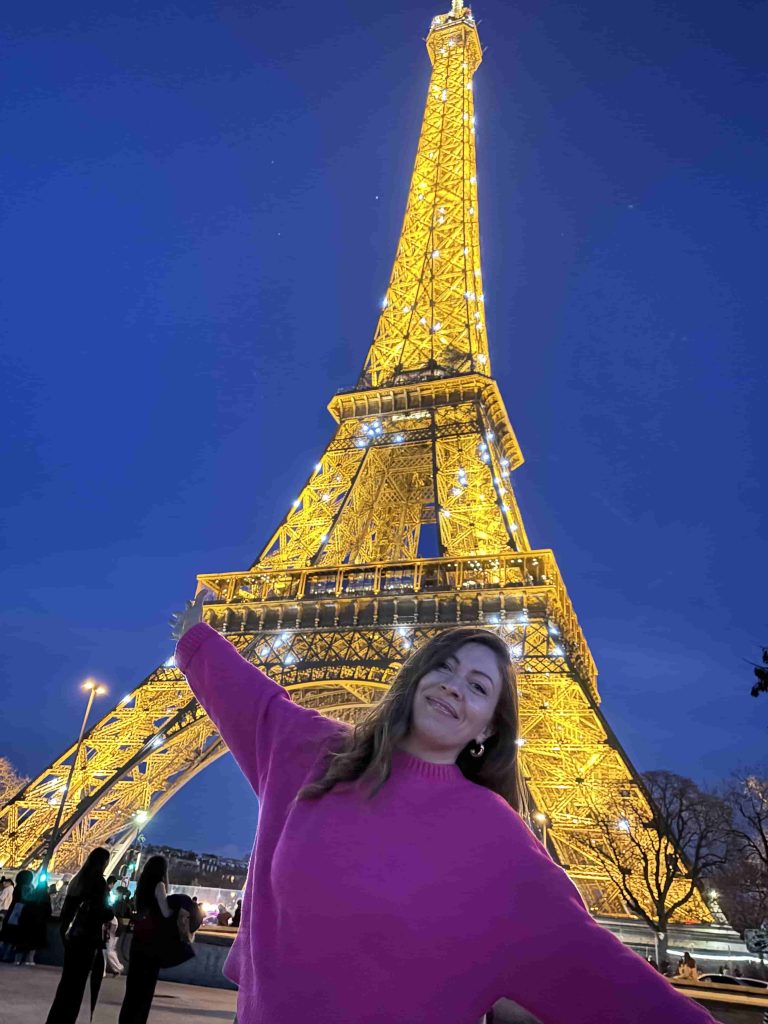
A classic that cannot be missed. Even if you don’t go up, the Eiffel Tower is impressive in its scale and how organically it fits into the urban space.
I recommend seeing it both during the day and in the evening – the lighting creates a completely different mood every hour. It is truly impressive.
We were in Paris on February 24, the date of Russia’s full-scale invasion of Ukraine, and it was on this day that the Eiffel Tower was lit up in yellow and blue – the colors of the Ukrainian flag as a sign of support for Ukraine. I added this photo to the main photo of this post.
The Louvre — a Full Day of Art
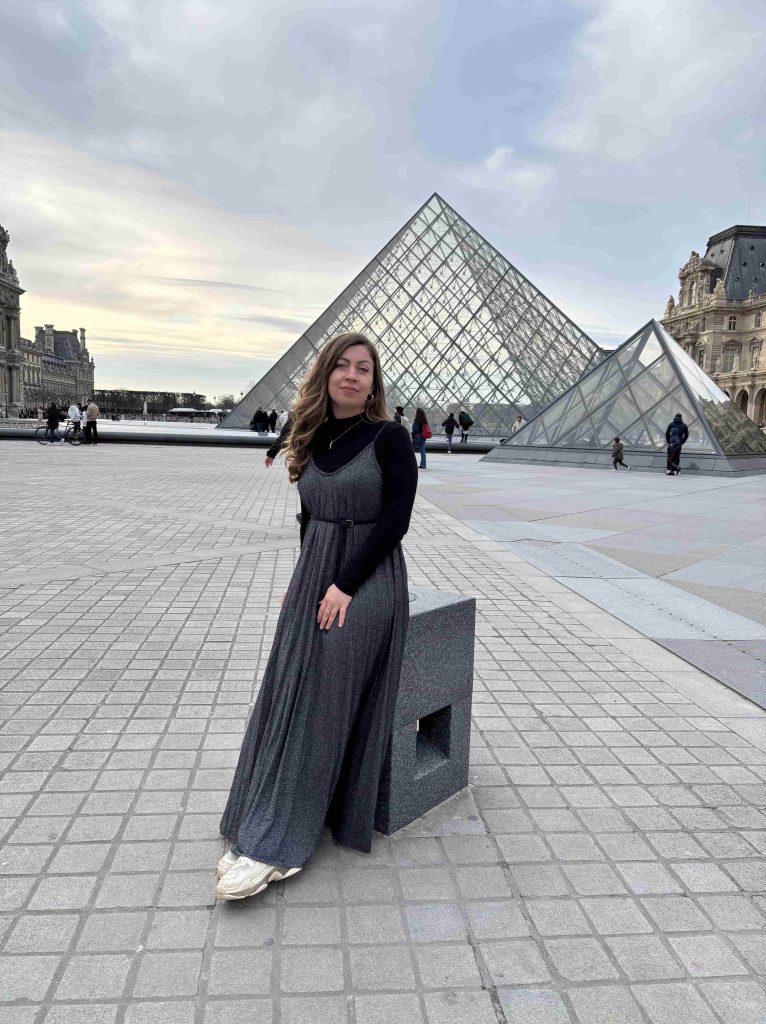
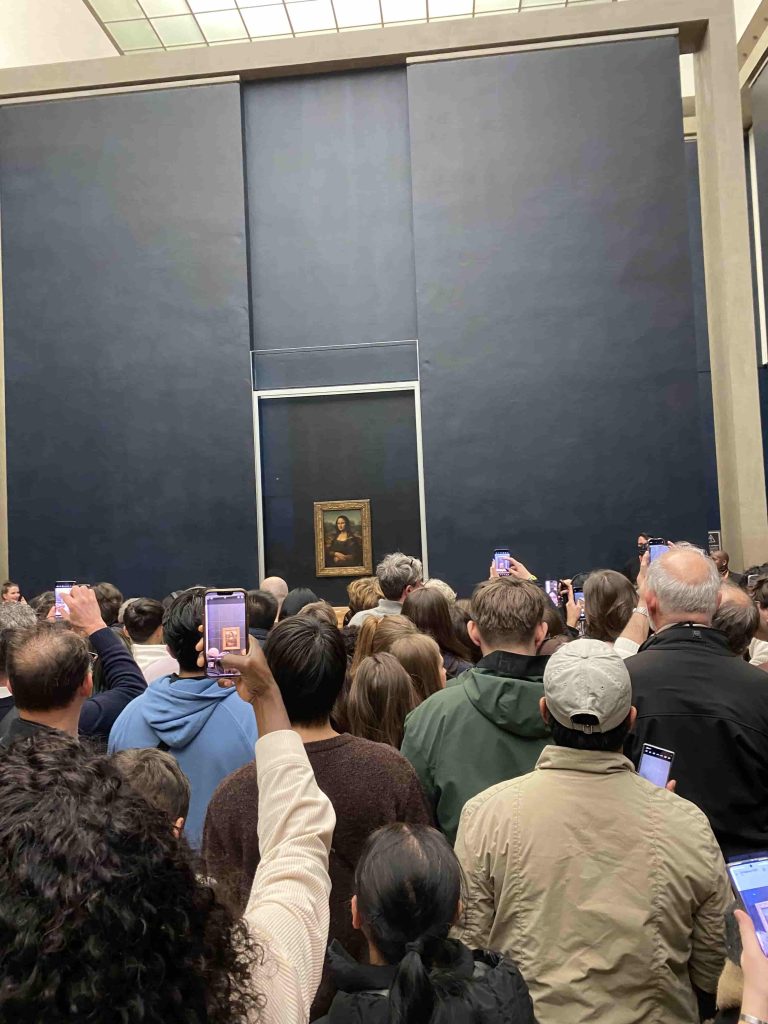
We dedicated one day entirely to the Louvre, and it was the right decision. The museum is so large and packed that trying to “snatch in 1-3 hours” is almost pointless.
It’s impossible to see everything, even walking there for a whole day, but you can choose the areas that interest you: painting, sculpture, antiquity, or French art. This place requires energy, but it also gives a lot of it for inspiration.
Tickets should be purchased in advance online on the official website for specific time slots for entry or on GetYourGuide with a digital audio guide. We chose approximately 12 or 1 day and enjoyed the art for as much as 6 hours.
Arc de Triomphe and Champs-Elysées
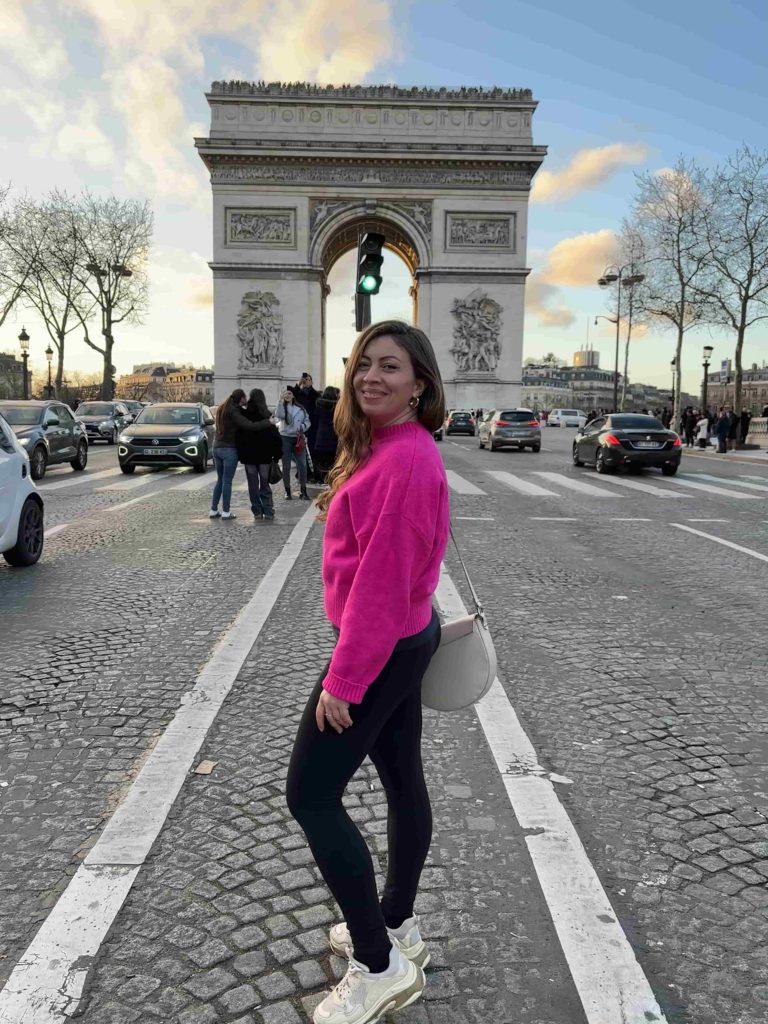
The Arc de Triomphe is a monumental point from which you can clearly feel the geometry of Paris. And the Champs-Élysées is a walk between history, shopping and city life.
This route goes well with an evening out or a leisurely walk after the museums.
Many tourists don’t know that you can climb the Arc de Triomphe, and from there you can enjoy one of the best panoramic views in the city. The Champs-Élysées is interesting not only for its shops – pay attention to the architecture of the buildings, which are very different in style.
Latin Quarter and Sorbonne – student Paris
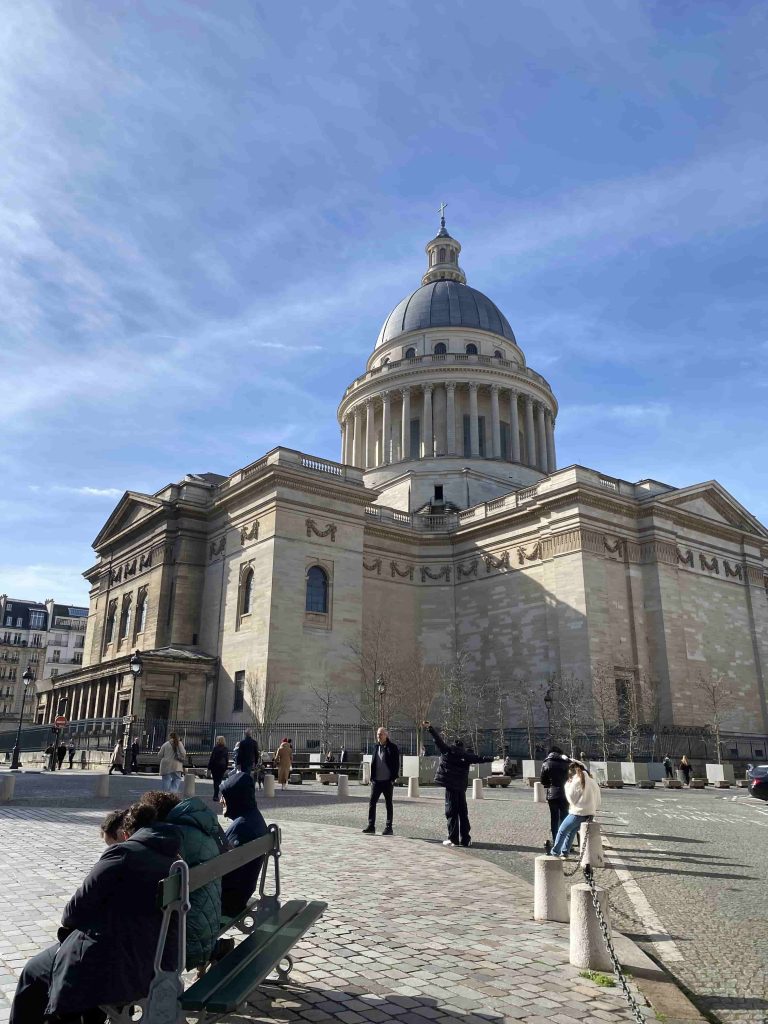
Not far from the Luxembourg garden, we passed through the territory of one of the oldest and most famous universities in Europe – Université de la Sorbonne. This area is called The Latin Quarter, because historically, students who spoke Latin studied here.
The Sorbonne is not one building, but an entire university ensemble.
Even if you don’t plan to go inside the university buildings, a walk around the Sorbonne gives you a completely different feel of Paris – not touristy, but lively, intellectual, a bit bohemian. There are many bookstores, small cafes, student bistros, and narrow streets where it’s easy to imagine Paris a few hundred years ago.
Luxembourg Garden
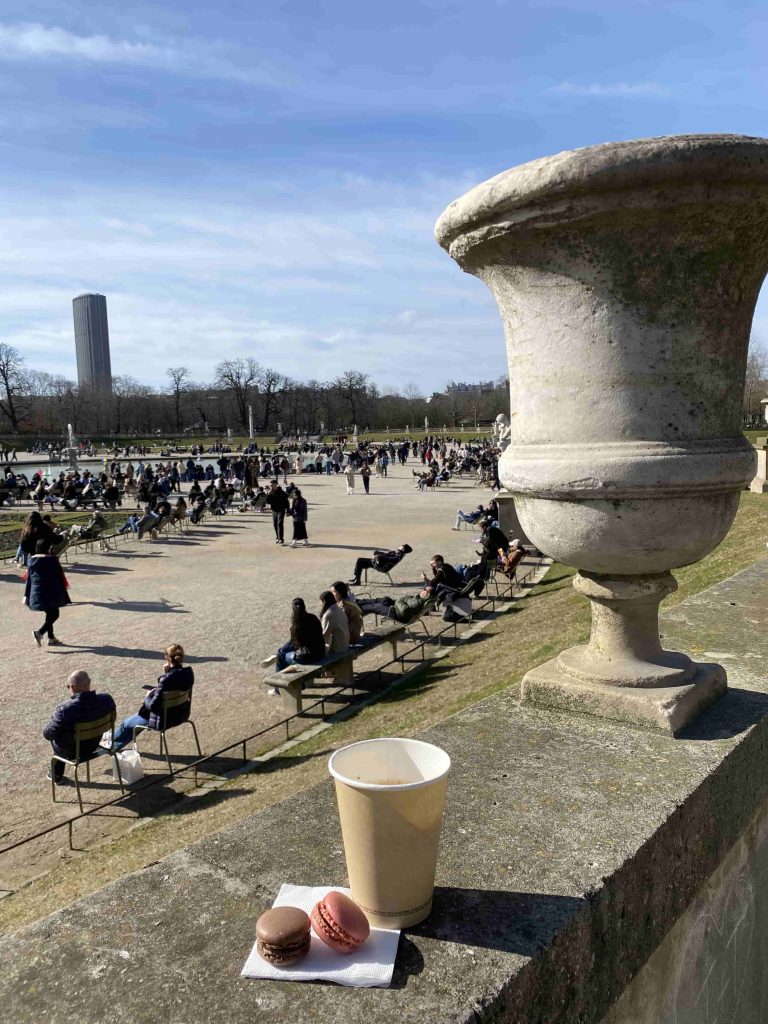
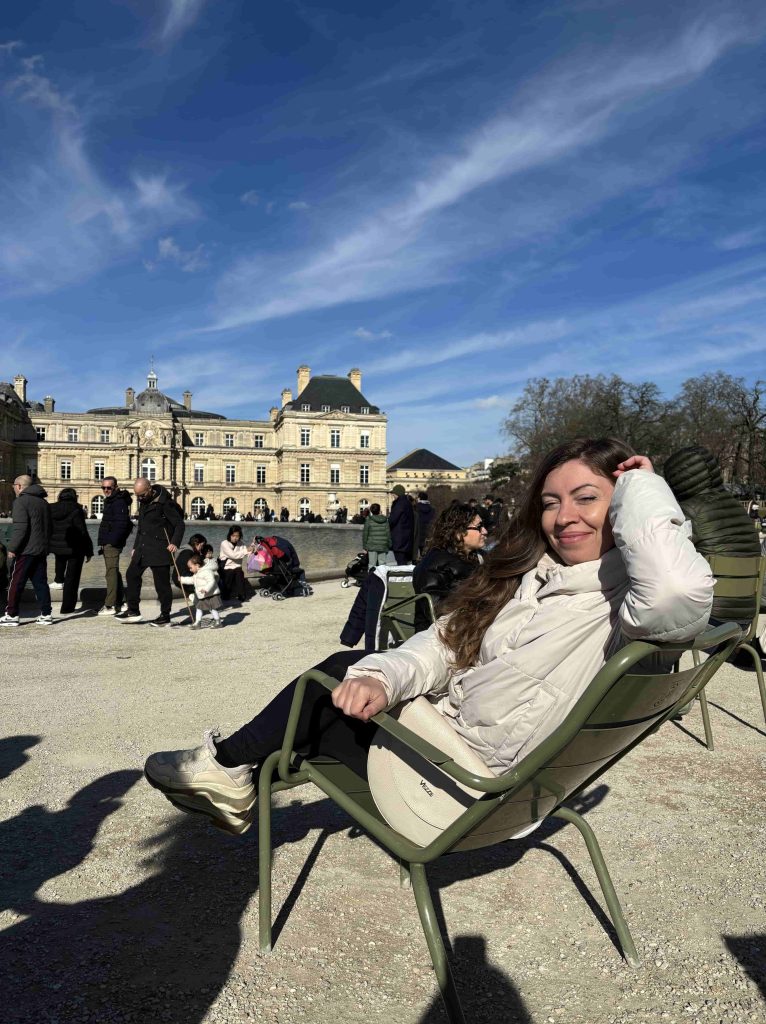
One of the most beautiful parks in Paris. The Luxembourg Gardens are a perfect place to take a break from the tourist intensity. We were lucky that it was sunny that day, which made our stay at the end of February even more beautiful. There is a lot of greenery, outdoor chairs, a calm atmosphere and the feeling that you live in the city, not just visit it.
The garden has many green chairs that can be moved around freely – Parisians choose their own “perfect spot.” It’s a good place to relax after an active day, just watching life go by.
Opera Garnier and Galeries Lafayette
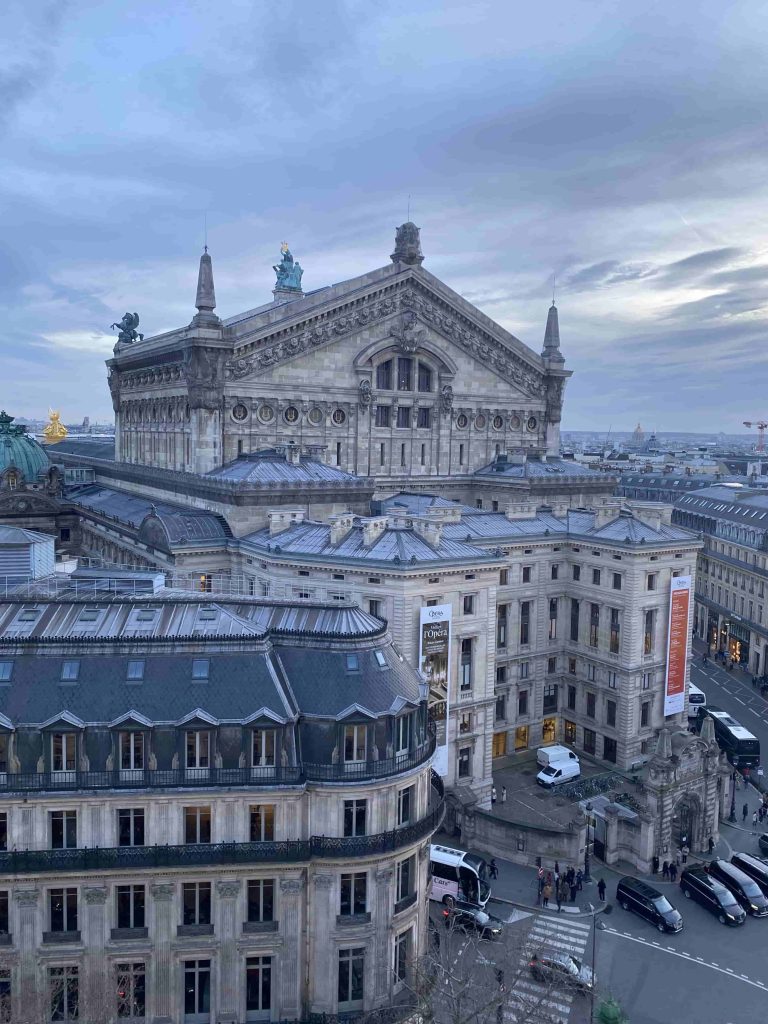
The Opera Garnier is one of the most beautiful buildings in Paris, even if you only see it from the outside. Even a short stop at the Opera is worth your attention because of the details of the facade – sculptures, gold, symbolism. Even if you don’t go inside, you can still feel the scale and luxury of this building. It is one of the most photogenic corners of Paris.
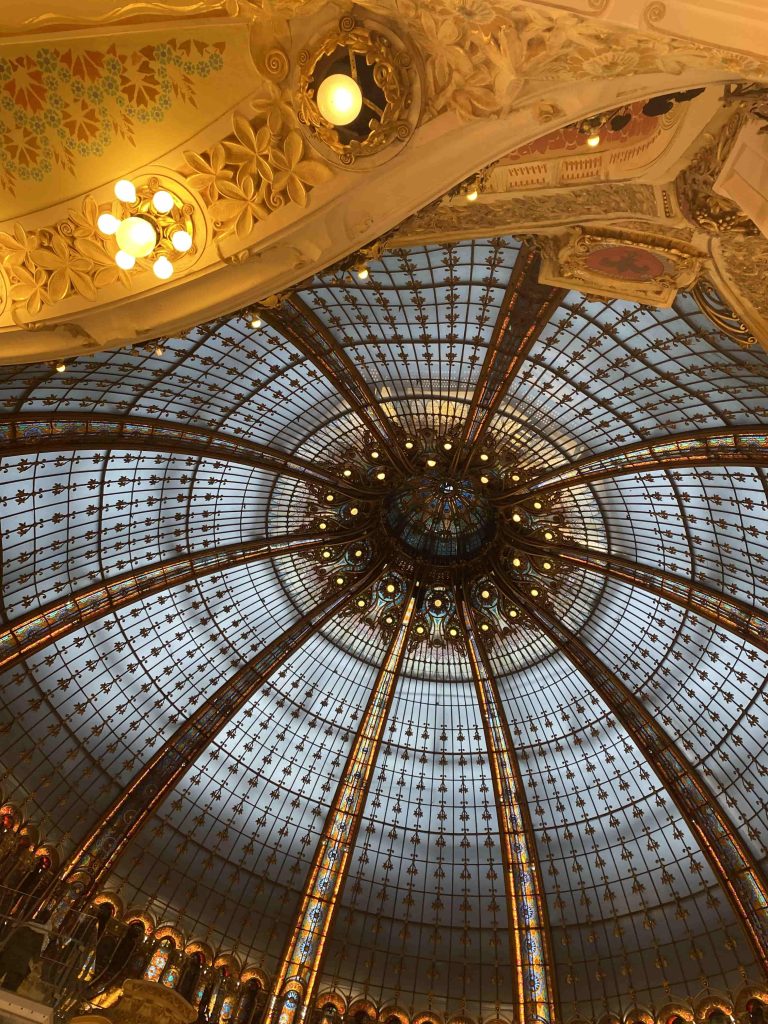
We explored it from Galeries Lafayette Haussmann, a legendary department store with a panoramic roof. The climb to the roof is free, and the view of the Opera and the Parisian rooftops, including the Eiffel Tower, is one of the best in the city. It is best to climb closer to sunset.
Walking through the streets without a route
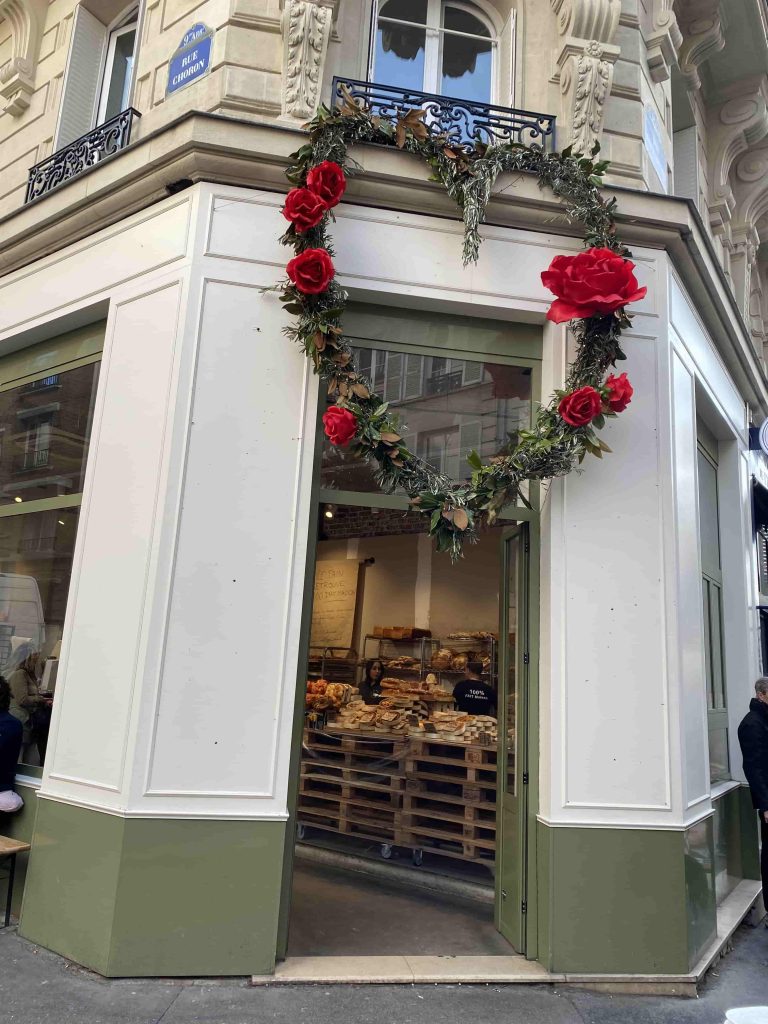
There is a special pleasure in simply walking around Paris without a specific goal. Small streets, balconies, cafes, bookstores – it is at such moments that the city truly opens up. You can also observe the elements of romance that permeate Paris, because it is one of the most romantic cities in the world.
Moulin Rouge
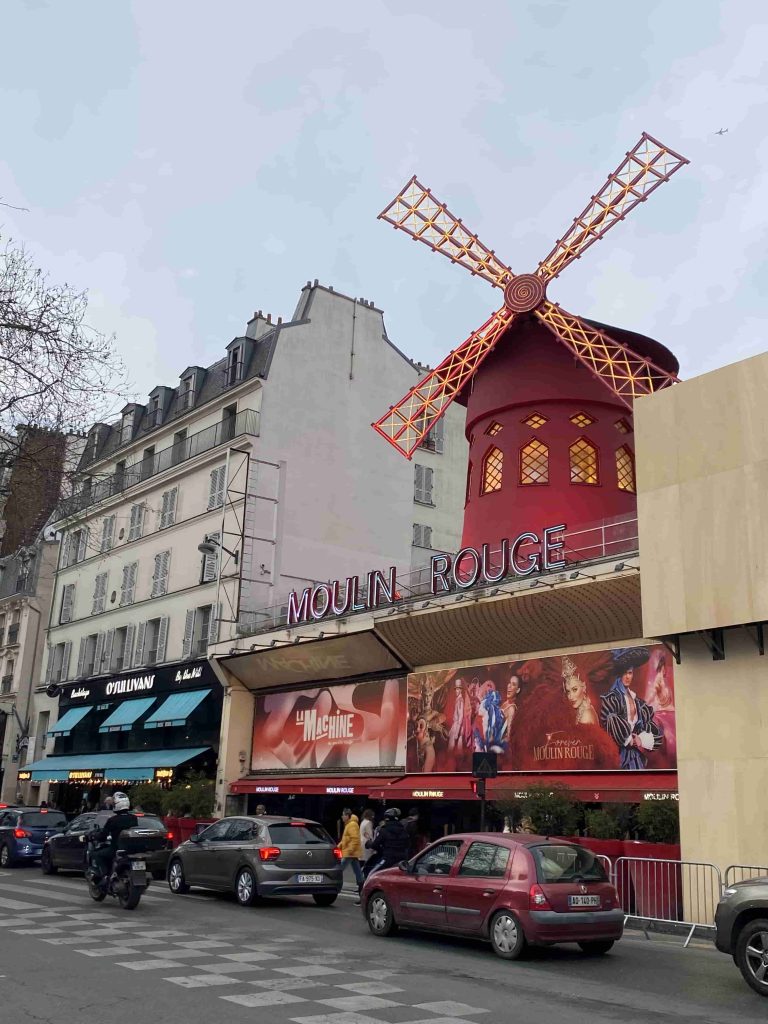
Even a short stop at the Moulin Rouge adds a touch of bohemian and slightly theatrical Paris to your trip. It’s more of a symbol and atmosphere than a must-see show, but it’s interesting to see it live. It’s also best to come in the evening when the sign is illuminated.
Conclusion
Six days in Paris can be a busy one if you mix museums, walks, and breaks. This city is not about ticking off a list, it’s about experiencing it – and it’s the balance between the must-sees and the simple life that makes a trip truly worthwhile. These are not all the interesting places in Paris. Many of these places deserve a separate article to explore and learn more about.
This route is suitable for those who are ready to walk a lot, discover new things, and let Paris surprise you.


No Responses